Strong Focus on Business Integration
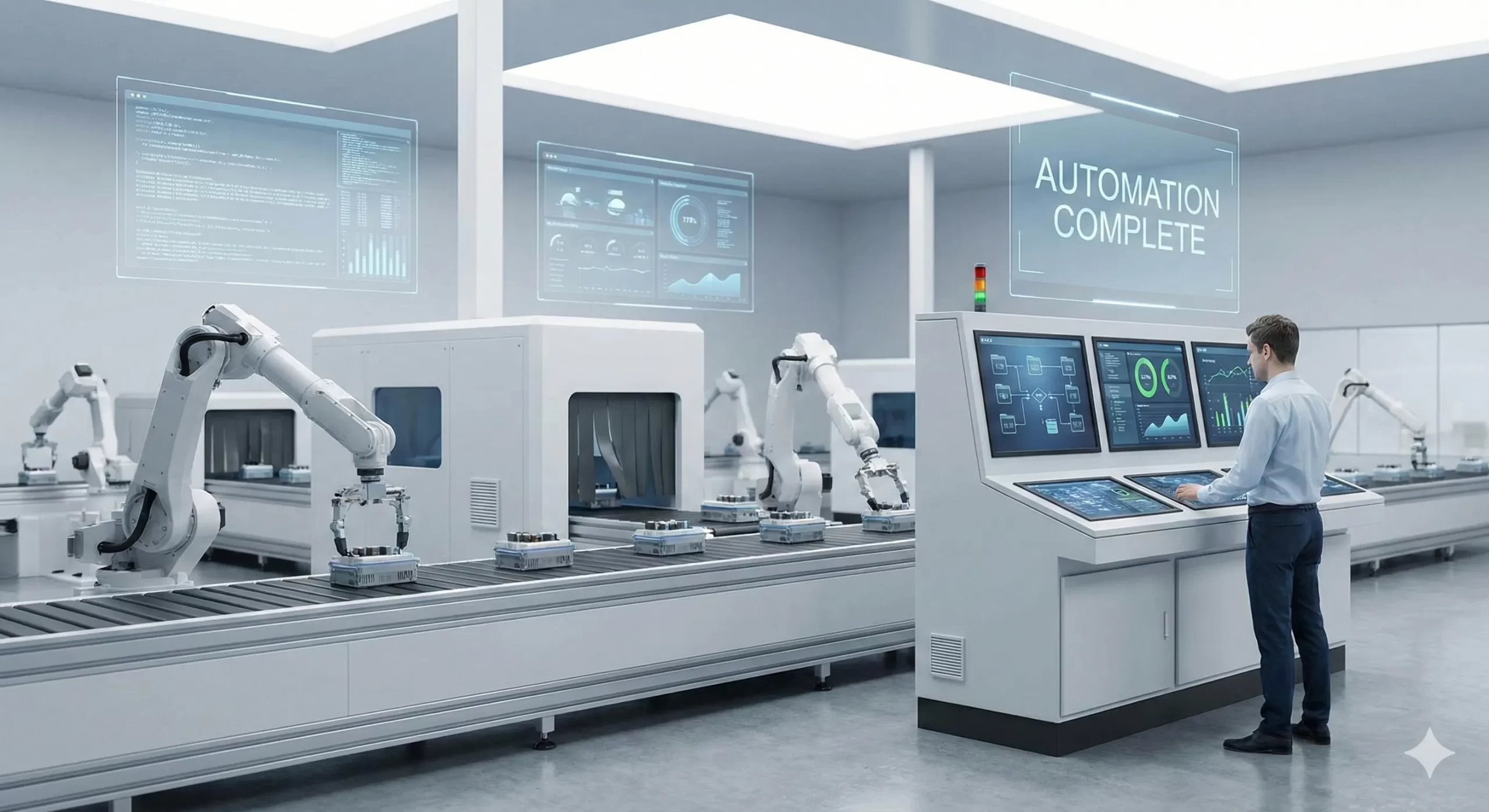
The program develops a holistic understanding of how processes, data, and systems work together to improve organizational efficiency and performance.
High Relevance for Today’s Organizations
Integrated business systems are at the core of modern enterprises, making the skills gained in this program highly valued across industries and sectors.
Balance Between Management and Technology
The curriculum is designed for business-oriented professionals, offering technological insight without requiring advanced technical or programming expertise.
Practice-Oriented Learning Approach
Students apply concepts through case studies, practical projects, and real-world business scenarios that reflect current organizational challenges.
Preparation for Strategic and Managerial Roles
Graduates are equipped to contribute to decision-making, digital transformation, and system implementation projects within organizations.
Solid Academic Foundation with Applied Value
The program combines academic rigor with practical relevance, ensuring that graduates develop both analytical depth and applicable professional skills.
Who Should Apply
The MIBS is ideal for candidates who:

Outcomes & Career Paths

Graduates emerge ready for roles such as: